Arrive Alive: Auditing Your Nexagon Deathmatch Routes Before the Duel Starts
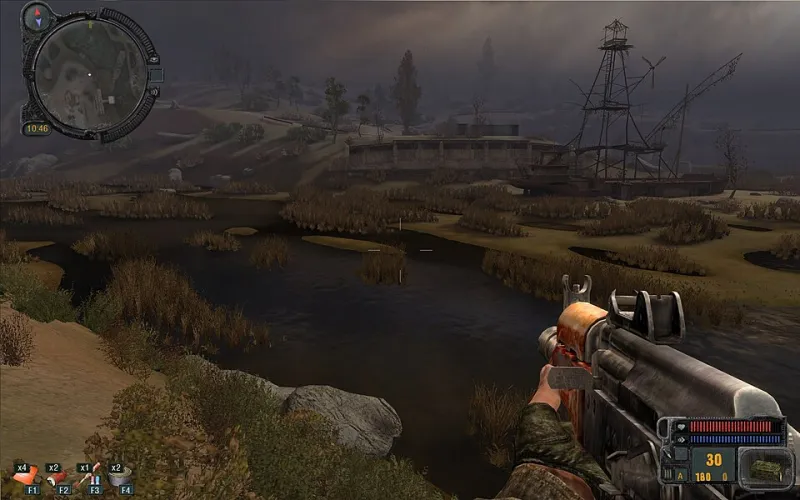
Photo: GSC Game World, GFDL, via Wikimedia Commons
Most Nexagon deathmatch players blame the duel. They lost the fight, so the aim must be off. Sometimes that is true. Often the real problem is the commute. You took a route that arrived late, exposed, or with no reset option, and the duel was decided before your crosshair got there.
The route is part of the fight
A route is not just the hallway between spawn and the action. It is the timing, cover, and information you collect on the way. If you arrive at a common angle two seconds late, you are not dueling the same player. You are dueling their setup. If you arrive from an exposed lane, you are giving them a free first shot. US Nexagon squads spend hours on aim drills and almost no time on the path that delivers them to the fight.
Step one: pick three repeated deaths
Captains should start with evidence, not vibes. Pull three deaths from a recent scrim or community DM block where the same player died in the same part of the map. Do not pick the flashy one-on-one loss. Pick the deaths that look boring and familiar. Those are route problems wearing a duel costume.
For each death, write down four things: where the player started, where they were going, what cover they used, and where they died. You are looking for a pattern, not a scapegoat.
Step two: map the commute
Now walk the route in a private lobby. Time it from the spawn or rotation point to the first meaningful angle. Note every piece of cover and every open lane. Ask three questions:
- Does this route arrive before or after the common hold?
- Is there a safe reset if the first peek goes bad?
- Does the route give away information before the player can use it?
Most bad routes fail at least one of these. They are too slow, too exposed, or too committed. A good Nexagon route gives you options. A bad one gives you a funeral.
Step three: find the timing window
Timing is the easiest thing to fix and the easiest thing to ignore. If your squad keeps arriving after the enemy has set up, the route is late. That does not always mean sprint harder. Sometimes it means take a different lane, wait for a teammate to draw attention, or skip the first fight and take the second angle.
Captains should test arrival times against common holds. If the route only works when the enemy is asleep, it is not a route. It is a hope.
Step four: audit cover and reset
A route without reset options is a one-way ticket. In Nexagon deathmatch, the best routes let you peek, take a bad trade, and back out without dying. That might mean a doorway, a box, a short lane, or a teammate holding the exit. If the only way out is through the enemy, the route is too greedy.
Ask your players to name their reset before they take the fight. If they cannot name it, they should not take the peek. This one habit cuts down on the deaths that feel like bad luck but are really bad planning.
Step five: drill the route, not just the aim
You do not need a full scrim to practice routes. Run a private lobby and walk the same path five times. Then run it with one teammate applying light pressure. Then run it with a timer. The goal is not to memorize a script. The goal is to make the route automatic so the player can spend attention on the fight instead of the commute.
The captain checklist
Before the next Nexagon DM block, give your squad this checklist:
- Pick three repeated deaths from the same map zone.
- Walk each route and time the arrival.
- Mark cover, open lanes, and reset points.
- Compare the route to the enemy's common hold.
- Change one variable at a time: lane, timing, or teammate support.
- Drill the new route for ten minutes before the next scrim.
Your crosshair has a commute. Audit it. The duel gets easier when you stop showing up late.