The Bracket Babysitters: Why Nexagon's Volunteer Ref Pool Is Drying Up
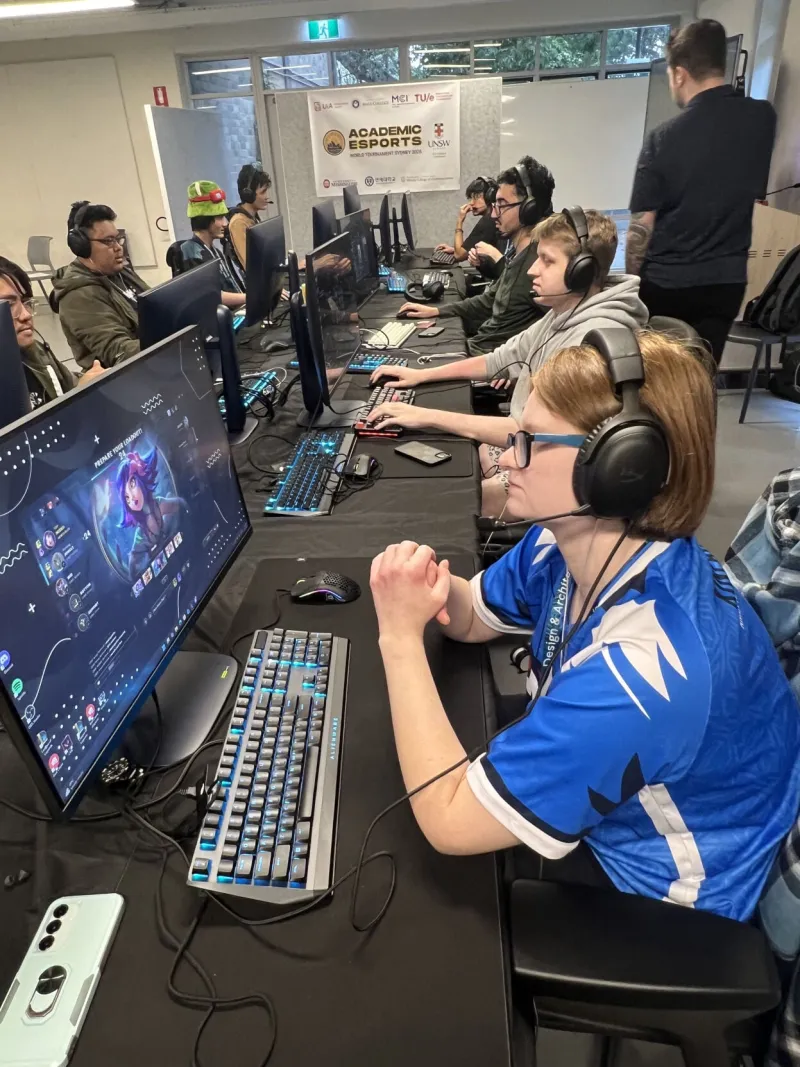
Photo: esports tournament referee volunteer at computer in gaming venue, via bloximages.newyork1.vip.townnews.com
Every Nexagon bracket has a name attached to it that nobody drafts. It is not the star entry fragger or the captain with the cleanest veto sheet. It is the volunteer referee who opens the Discord ticket at 11:40 p.m., reads six screenshots, makes a call on a spawn dispute, and then gets a paragraph of insults for their trouble. That person is the tournament's actual infrastructure. In the US scene, that infrastructure is running thin.
The Job Description Is a Group Chat
Ask a volunteer ref what they do and you will get a list that sounds like three jobs wearing one lanyard. Before the event, they check rosters, confirm names, chase down missing Discord tags, and answer the same rules question in four different channels. During the event, they run check-ins, seed brackets, verify scores, watch for no-shows, and decide whether a lag spike counts as a pause or a prayer. At a LAN, they also walk the floor, peek over shoulders, and separate heated players before a disagreement becomes a security problem.
None of that shows up on a stream. None of it fits neatly into a highlight reel. The labor is mostly text, waiting, and judgment. A good admin makes a messy bracket feel normal. A great admin makes a bad call feel survivable. That is the standard US Nexagon events are leaning on, and it is not a standard that scales by asking for more volunteers in the same exhausted tone.
One Call, One Weekend Gone
A referee's weekend can turn on a single ruling. Maybe a team submits a clip that is two seconds too short. Maybe a player's tag does not match the roster sheet. Maybe the server hiccups during a retake and both teams have a very reasonable-sounding story. The ref has to pick a path, explain it, and live with the fallout.
In a healthy event, that fallout is a short appeal and a shrug. In a tired event, it becomes a private DM campaign. It becomes accusations in a public channel. It becomes a captain saying they will never attend again because the admin is clearly biased, followed by someone else saying the same thing about the opposite call. Volunteers do not get paid enough for that. Most of them do not get paid at all.
That is the part organizers keep underestimating. A bad ruling does not just cost a team a map. It can cost a volunteer their entire weekend, their appetite for the next event, and their willingness to be the person who answers when the bracket breaks. When that person logs off for good, the tournament does not announce a vacancy. It just gets slower, smaller, and more fragile.
The Pipeline Is People, Not Process
The American Nexagon calendar depends on a strange mix of community center LANs, Discord-run online cups, and regional organizers who are basically doing three jobs with one laptop. The ref pool for those events is not a formal workforce. It is a handful of players who aged into admin work, a few parents who know how to run a bracket, and the occasional tournament director who has been holding the same clipboard since the scene was smaller.
That pipeline is personal. It runs on favors, reputation, and the belief that somebody has to keep the lobby clean. It also has no bench. When one admin steps away, the next event does not just lose a helper. It loses institutional memory about which teams need extra check-in reminders, which disputes tend to flare up, and which rules language actually works. The bracket software can be replaced. The person who knows how to calm down a furious captain at 1 a.m. cannot.
What Teams Can Do Before the Lobby Opens
Most of the pressure on volunteer refs comes from avoidable chaos. Teams can cut that down without being asked.
First, read the rules before you need them. Not skim. Read. Know the check-in window, the roster lock, the evidence requirements, and the difference between a pause and a forfeit. If the event uses a ticket system, use it. Do not slide into a ref's DMs because you think you will get a faster answer. You probably will, and that is exactly how the queue breaks.
Second, submit clean evidence. A full screenshot beats a cropped one. A clip with the scoreboard visible beats a shaky phone recording of a monitor. If you are appealing a call, write the timeline in plain language and attach the proof. Do not make the admin reconstruct your case from vibes and six separate messages.
Third, take the loss like a team. You can disagree with a ruling and still be a person about it. The ref who just spent ten minutes on your dispute is the same ref who has to run the next round. If your protest turns into a pile-on, you are not applying pressure to the tournament. You are applying pressure to a volunteer who may not come back next month.
What Organizers Owe the Whistle
Organizers need to treat volunteer refs like a real role, not a favor with a lanyard. That starts with a clear escalation path. One person makes the first call. Another person handles appeals. No one should be judge, jury, and customer support in the same private channel.
It also means rotation. A ref who has been on duty for six hours is not making sharp decisions. Give them breaks. Pair new admins with experienced ones. Write down the common disputes and the approved answers so every ref is not inventing policy on the fly. If the event can afford it, cover meals, parking, or a free entry. If it cannot, at least be explicit about the hours and the expectations before someone signs up.
Most of all, organizers need to defend their refs in public. When a call is correct, say so. When a team crosses the line, enforce the code of conduct. A volunteer will tolerate a tough ruling. They will not tolerate being left alone to absorb the blow.
The Calendar Shrinks Quietly
The Nexagon scene talks a lot about prize pools, patch timing, and server quality. Those things matter. But the tournament calendar is also held together by people who are not on the bracket, not on the stream, and not in the highlight clip. They are in the admin channel, asking whether the next round is ready.
If US Nexagon wants more events, it needs more than more players. It needs a volunteer pipeline that does not treat burnout as a personality flaw. Protect the people holding the lobby together. The bracket will thank you.