The VFW Hall Is the Real Arena: Five FGC Local Habits Your Nexagon LAN Night Needs

Photo: local esports tournament community center players bracket casual gaming event, via www.creativefabrica.com
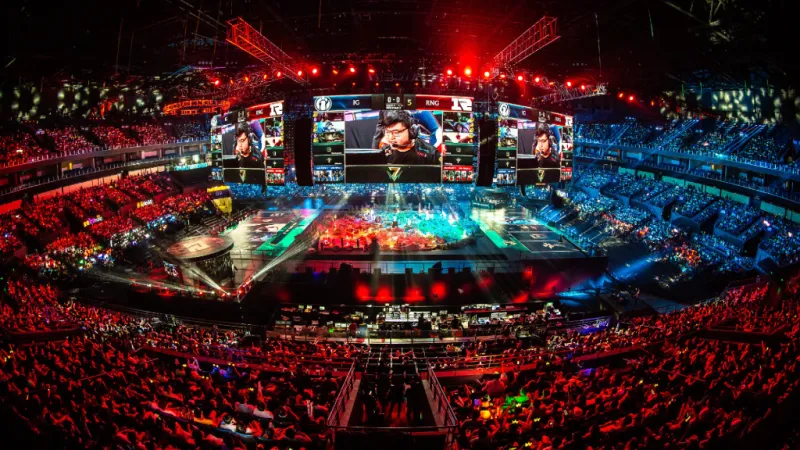
US Nexagon events have a bad habit: they look at the biggest arena show and assume that is the ladder. Rent the convention center. Hang the LED wall. Pray the venue Wi-Fi does not fold during the first veto. None of that is wrong, exactly. It is just not how you build regulars.
The scene that keeps people coming back is not the arena. It is the fighting-game local in a VFW hall with a bracket taped to a folding table and somebody at the door who knows your name. That model is not nostalgia. It is a repeatable system, and a monthly Nexagon deathmatch night can borrow it without adding a second comma to the budget.
The Locals Model Is Not About Being Small
FGC weeklies do not win by being lesser versions of majors. They win by lowering friction. Same night, same room, same start time, clear bracket, cheap entry, and a person who can answer the question, where do I sit?
Nexagon organizers keep trying to solve retention with production. The locals solve it with rhythm. A player who knows exactly what a Tuesday looks like will come back on a Tuesday. A player who has to decode a Discord thread, find a venue with no signage, and guess whether the bracket started on time will not.
1. Book the Room That Already Has a Regular Crowd
Start with the VFW hall, the Elks lodge, the community center, the church basement, or the back room of a pizza place that already runs trivia on Wednesdays. These rooms are cheap, they have tables and chairs, they have parking, and they have a built-in sense that people are supposed to be there.
You do not need an esports venue with RGB strips and a stage. You need reliable power, a wired network plan, and a monthly recurring date. Bring your own switch, access point, power strips, and a printed map of the room. Negotiate the same Saturday every month and put it on a calendar before you announce anything.
The goal is not cool. The goal is repeatable. A room that smells like coffee and old carpet can still host a clean Nexagon deathmatch night if the setups work and the bracket moves.
2. Put the Bracket Where People Can See It
FGC locals understand a basic truth: a bracket is a public document. It lives on a wall, a monitor, or a whiteboard near the setups. Nexagon events keep hiding the bracket in a Discord channel that half the room forgot to join.
Print the bracket or put it on a spare monitor at the check-in table. Show the team names, the match numbers, the start time, and who is waiting. Use a simple eight- or sixteen-team bracket unless you have a dedicated bracket runner who actually enjoys pool sheets. Announce match calls over a mic or with a loud, human voice.
If a player cannot find their next match in under thirty seconds, the bracket failed. That is not a production problem. It is a signage problem, and signage is cheaper than a graphics package.
3. Make the Runback Station Obvious
The best FGC local habit is the casual setup that stays on all night. After a close loss, players want a rematch. If the only thing to do is watch the bracket or leave, they leave.
Set up two casual Nexagon stations and label them Runback Station. Put a sign on the table, a kitchen timer next to it, and a simple rule: ten minutes per set, winner stays until the timer ends, tournament matches always have priority. Do not let runbacks turn into a shadow bracket. The point is to convert salt into practice and keep eliminated players in the room.
This costs you two setups and a sheet of paper. It also gives newer players a place to learn without feeding someone else's tournament run.
4. Run a Ten-Minute First-Timer Briefing
FGC locals onboard newcomers through ritual, not a rules PDF. Before the first match, gather anyone who has not been to the event before. Keep it to ten minutes. Cover where to sit, how to report a score, who to grab when a setup dies, how the veto works, and what happens if a match runs long.
Give each newcomer a named buddy for the night. Not a mentor program. Just a human being they can point at when something goes wrong. Nexagon events often leave first-timers to sink because everyone assumes the Discord has the answers. The Discord does not have the answers. The check-in table does.
5. End on Purpose
FGC locals have a closing ritual. They announce the next weekly. They thank the venue. They take a group photo. They stack chairs. It is not glamorous, but it tells everyone that the night had an end and that there will be another one.
Nexagon LANs tend to just close the lobby. Instead, stop the runback stations five minutes early, announce the top finishers, give one shoutout to the person who helped clean up, and say the next date out loud. Then ask for help stacking chairs. People who stack chairs together come back.
What a Monthly Nexagon Night Looks Like
Doors at 6 p.m. First-timer briefing at 6:30. Bracket at 7. Runback station all night. Closing announcements at 10:30. Ten-dollar venue fee, simple prizes, a whiteboard, and a timer.
That is not a major. It is not supposed to be. A two-hundred-dollar monthly can beat a twenty-thousand-dollar one-off if it happens twelve times and people know exactly where to park.
The Budget Is Not the Bottleneck
The expensive part of a Nexagon event is not the venue. It is inconsistency. Changing dates, changing formats, and changing communication channels teach players that the event is optional. The FGC local model teaches the opposite. Same room. Same night. Same bracket. Same person at the door.
Spend the money on a whiteboard, a kitchen timer, printed signs, coffee, and a backup network switch. Save the LED wall for the arena show. The weekly is the engine, and the room is the arena.